30 DAY warranty on all custom-made products | 1,000+ 5 Star ★★★★★ Reviews30 DAY warranty on all custom-made products | 1,000+ 5 Star ★★★★★ Reviews


 Verified owner
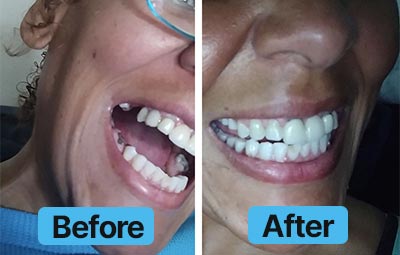
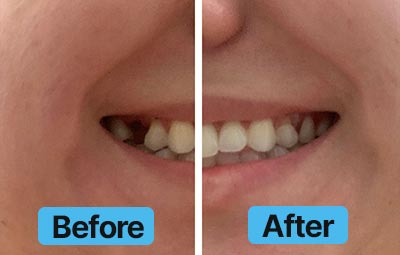
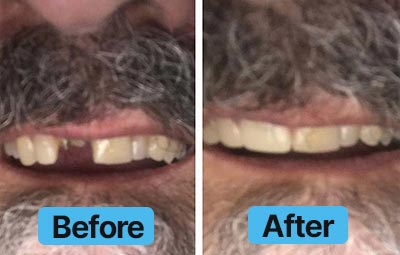
I love the way it fits and eventually I will need the same for the other side of missing teeth

I totaly recommend Bellaveneers
 Verified owner
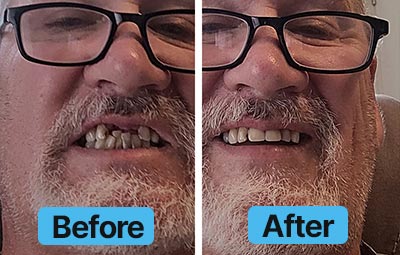
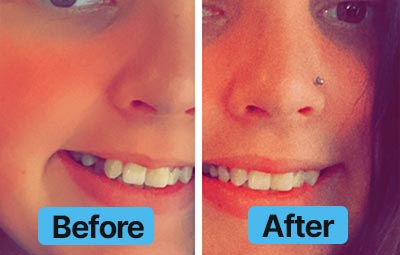
The service was great. Product came on time. The only problem is the teeth are big in the back and make me gag really bad and I don't think there's any way to fix it. I will try though.
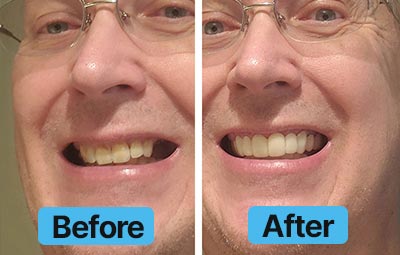
Verified ownerI was absolutely blown away by the quality of this product. I am always embarrassed about a missing tooth after an injury. Because my job requires a very professional appearance, I’m always very self-conscious. The kit was easy to use, and within three weeks I had the most perfect bridge. No rough edges, fit perfectly, no impact on my speaking, eating or drinking. The coloration is so amazing that even close-up you cannot tell. I would recommend this company in this product in a heartbeat to anyone interested in improving your smile and their self-confidence.
 Verified owner
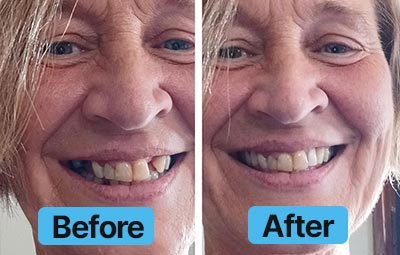
I am so happy with my new upper plate. It has given me a great smile and after hiding my smile for so long, it has changed me for the better. Thank you for all your Company does for people who can’t afford dentures at a dentist office.

I have very sensitive teeth so I was worried when I first ordered. I've been wearing them for a month and it's like wearing nothing at all!
 Verified owner
This tooth looks and feels great! The process was easy. It took a bit longer than I hoped, but otherwise I am thrilled about my purchase and savings.

Its so natural looking, and very comfortable, thank you.
 Verified owner
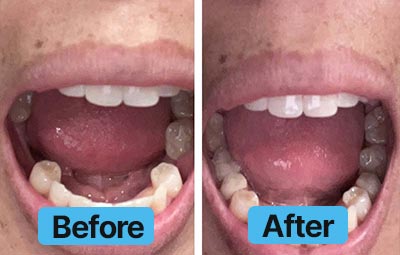
I am very satisfied with my Nesbit partial denture, the fit is near perfect and very comfortable. I was a little skeptical about ordering a partial through the mail but I was pleasantly surprised when I received my appliance ,with the quality of the workmanship. Great communication from the staff and I would highly recommend this company.

Wore a top and bottom set to my reunion. Glad to report no one noticed they weren't my real teeth!
 Verified owner
Perfect fit. Fast and easy service. I ordered to replace a broken partial when I couldn’t get into a new dentist office after moving. I like my new partial better than my original. The fit and color are perfect 1st try.
 Verified owner
There is no better company in the world they have gone above a beyond for me