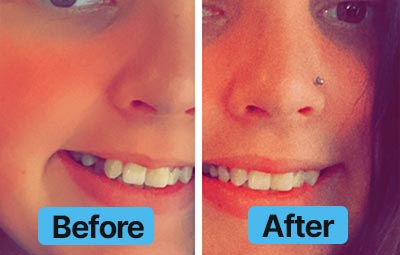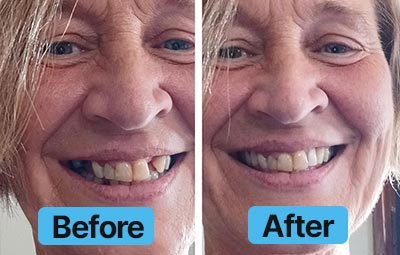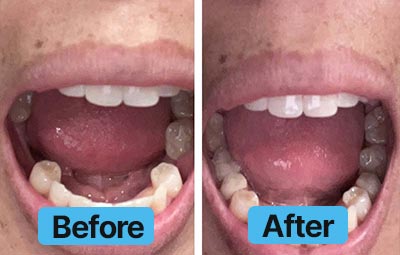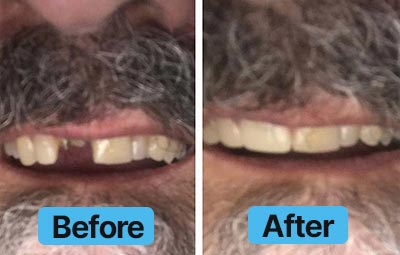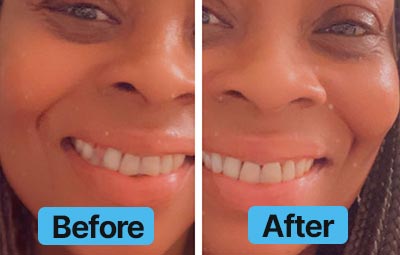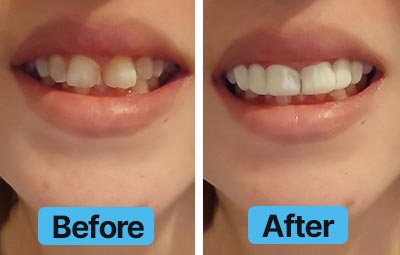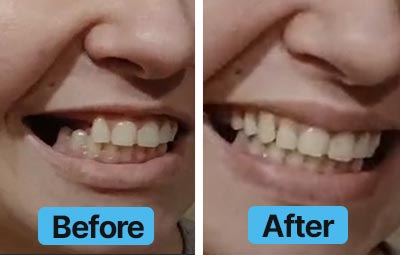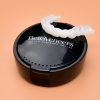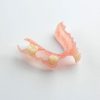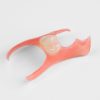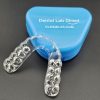
Partial dentures cost about $299 to $549 when you order them direct from a dental lab, and roughly $1,000 to $2,500 at a dental office, depending on the type. Price is driven by the material, how many teeth you are replacing, and whether a dentist's chair time is part of the bill. Here is the full comparison.
Smiles are priceless, but for those dealing with missing teeth, maintaining confidence and functionality in their smile can often be costly, especially when considering partial dentures.
The discomfort, self-consciousness, and challenges with eating and speaking that often accompany tooth loss can significantly impact one’s self-esteem and overall well-being.
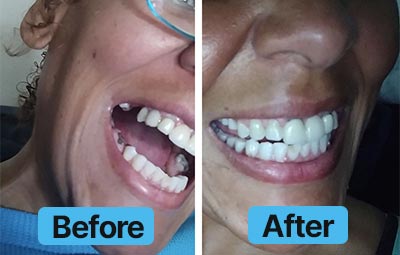
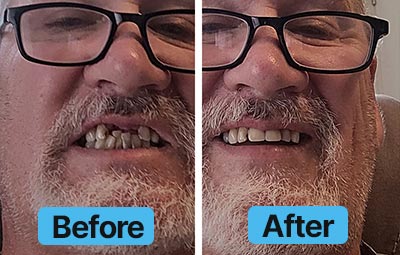
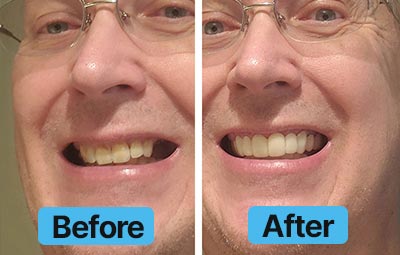
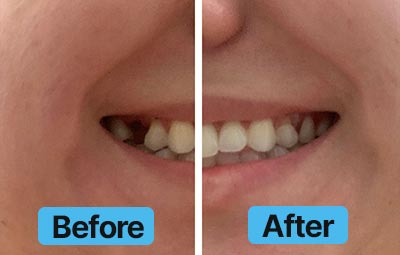
Partial dentures, however, offer a promising solution. They can be a transformative investment in oral health and quality of life, restoring the ability to enjoy favorite foods, speak clearly, and confidently smile.
Yet, like any significant investment, understanding the associated expenses is essential for making informed decisions.
What are Partial Dentures?
Partial dentures replace multiple missing teeth in either the upper or lower portion of your mouth. They provide both cosmetic and functional benefits such as enhancing chewing and speaking. Partial dentures also preserve the placement of your remaining natural teeth, which can shift over time as a result of the missing spaces.
Partial dentures are usually removable, creating concerns over their appearance and fit compared to permanent dentures. In addition, they aren’t intended to be worn around the clock, so dentists usually recommend removing them each night to clean them. This practice not only keeps partial dentures clean but it also allows you to brush around your natural teeth.
Why Choose Partial Dentures?
The general reason for choosing partial dentures is the loss of multiple teeth in either the top or bottom row. The most common reasons for this are decay, injury and extraction by a dentist. It’s important for your remaining teeth to stay healthy, regardless of the reason for losing some natural teeth.
If you lose too many teeth, your dentist may recommend extracting the remaining ones and using full dentures instead.
How Long Do Partial Dentures Last?
A 2017 review found that about 39 percent of removable partial dentures were no longer used after five years of manufacture. This result doesn’t necessarily mean that the dentures wore out. The results only show that people stopped using them. Partial dentures can last up to 15 years, depending on various factors, such as how well patients care for them.
Your mouth naturally changes over time, so you need to ensure that your partial dentures continue to fit properly. Dentists typically recommend that patients get their partial dentures checked at least once a year or sooner if they experience irritation or other signs that their dentures may need adjustment. Partial dentures may also require replacement when they become discolored, which will normally happen over time. Depending on the degree of change in your mouth or the wear on your dentures, your dentist has several options for repairing your dentures. These possibilities include replacing the lining, making a new base or making a completely new set of dentures.
Pros and Cons of Partial Dentures
If you’re thinking about getting partial dentures, you need to consider both their pros and cons.
Pros
- Stability: they are stable and secure, providing better functionality for activities like chewing and speaking
- Long-term solution: with proper care, they can last for many years
- Customization: can be customized to match the color and shape of existing teeth, which gives them a natural and seamless appearance
Cons
- Cost: can be more expensive than dental flippers
- Adjustment period: some people report difficulty getting used to partial dentures
- Maintenance: require regular cleaning and upkeep
How Much Do Partial Dentures Cost?
The factors that affect the cost of partial dentures include the following:
- Location in the mouth
- Manufacturing method
- Materials used
- Number of teeth replaced
In addition to the cost of the partial dentures themselves, they often require adjustment after they’re made. Some patients also require dental care before the dentist can take the impressions needed to make the partials.
Dentist
From $1,000
Dental Lab Direct
From $299
| Partial denture type | Best for | Direct from our lab | Typical dental office |
|---|---|---|---|
| Clear retainer (Essix) partial | Temporary, discreet front-tooth replacement | from $299 | — |
| Nesbit (unilateral) partial | 1 to 2 teeth on one side | from $399 | — |
| Acrylic partial (flipper) | Affordable multi-tooth replacement | from $449 | $1,000 to $1,800 |
| Flexible partial | Natural look, no metal clasps | from $549 | $1,100 to $1,700 |
| Cast metal partial | Maximum durability, metal framework | Not made by our lab | $2,000 to $2,500 |
The same flexible partial denture that runs about $1,900 at a dental office is $549 direct from our lab, because you are paying for the appliance and the lab work rather than the office visit.
What actually drives the price:
- Material: nylon thermoplastic (flexible) costs more than acrylic, and a cast metal framework costs the most of all.
- Number of teeth: a one-sided Nesbit replacing a single tooth is the cheapest custom option; a full-arch partial costs more.
- Where it is made: a dental office adds chair time, fittings and overhead on top of the same lab work.
- What is included: check whether the quoted price covers the impression kit, return shipping and a remake if the fit is off.
Partial Denture Costs: Common Questions
How much do partial dentures cost?
From $299 to $549 direct from our lab depending on the type, or roughly $1,000 to $2,500 at a dental office. The cheapest custom option is a clear retainer partial; the most natural-looking is a flexible partial.
How much does it cost for dentures compared with partials?
Full dentures replace a whole arch and start at $199 per arch direct from our lab, against $2,000 to $4,000 at a dental office. Partials replace only the missing teeth, so they cost less overall, though the price per appliance can be higher than you expect.
Why is the price of dentures so different online?
The appliance is made in a dental lab either way. Buying direct removes the office visits, fittings and overhead from the bill, which is where most of the difference sits.
Does insurance cover partial dentures?
Often, yes, as an out-of-network service: our licensed dentists are not affiliated with insurance networks, but custom-made appliances are covered by many plans that way, and FSA or HSA funds can usually be used. Check your plan's annual maximum before you order, since denture work can sit close to it.
Which partial denture should I choose?
It depends on where the gap is and how visible it would be. Our guide to partial dentures walks through each type side by side.
Partial Dentures Are Within Reach
Getting affordable dentures is possible. Dental Lab Direct offers customized partial dentures that fit your unique needs.
Our prices are up to 70% lower than traditional dental offices and our partials are made in an FDA-registered facility, using dental-grade materials.
Ready to get started? Getting your dentures starts with completing our simple, 3-step ordering process.
Step 1: Request a dental impression kit from our website. It is included with your order (a $59 value)
Step 2: When the kit arrives, create impressions of your teeth following the instructions.
Step 3: Mail the impressions back and your customized dental appliance will be delivered in about 3 to 4 weeks.
If you’re unhappy with the fit, we offer a 60-day satisfaction guarantee.

Sources
[1] Healthline, Partial Dentures: Cost, Types, and How to Choose (dental-office price ranges by partial type). Direct-from-lab prices are our own current product pricing.