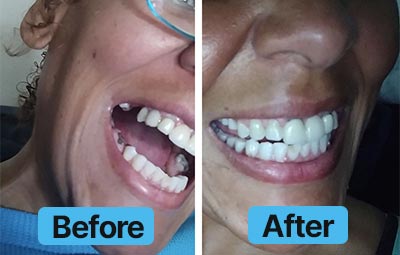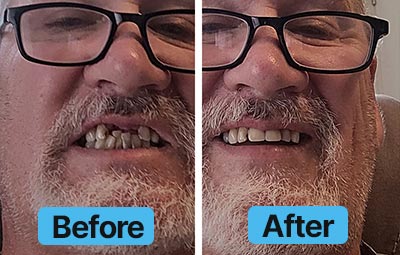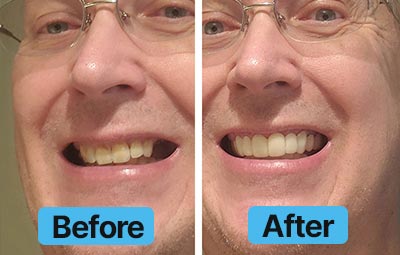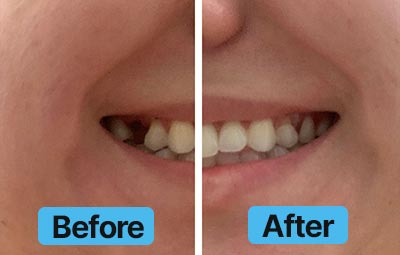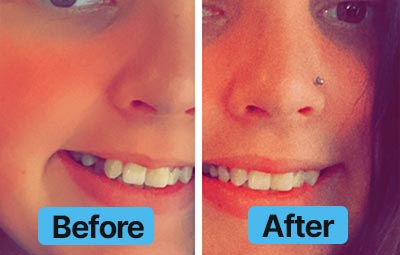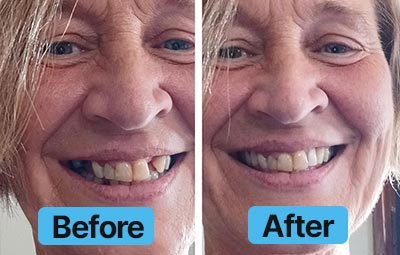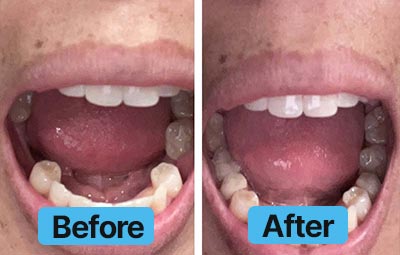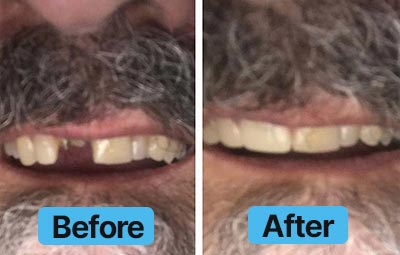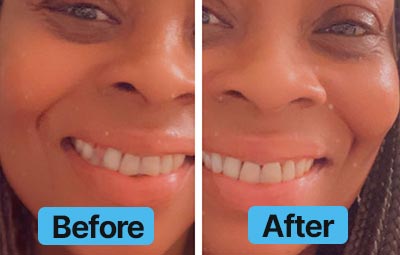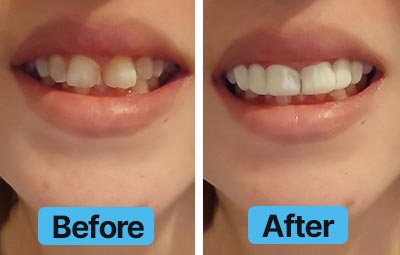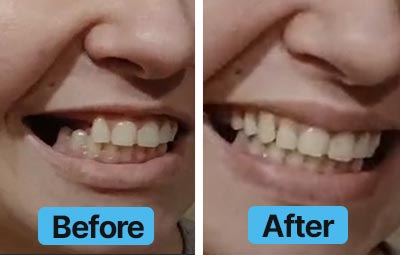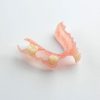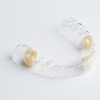
The short answer: metal partial dentures (cast metal, or acrylic with metal clasps) win on durability and easy repairs, while metal-free flexible partials win on comfort, appearance, and allergy safety. Cost favors metal-free when you order direct from a lab. Here is the full comparison.
For individuals who are missing one or more teeth, partial dentures are an affordable, comfortable, and aesthetically appealing tooth replacement option. Partial dentures are designed to fill the gaps in your smile and help you regain confidence by prioritizing your oral health. Dentures not only address aesthetic issues from missing teeth but also stabilize remaining teeth, prevent gums from becoming infected, and prevent bone loss.
In most cases, there are two primary types of partial dentures to choose from: metal partial dentures and flexible partial dentures. Depending on factors like comfort, budget, and maintenance requirements, you may prefer one variety of dentures over the other.
Here’s our guide on how to choose the right dentures for your lifestyle.
What are Metal Partial Dentures?
Metal partial dentures are robust and dependable tooth replacement choices, often chosen for their durability.
These dentures come in two distinct types, each designed to cater to different preferences and needs. In both variations, the emphasis on durability remains consistent. They are engineered to be robust, enabling them to withstand the rigors of daily use while offering a dependable solution for those with missing teeth.
Cast Metal Partial Dentures
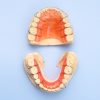
Cast metal dentures are made by attaching acrylic or porcelain teeth replacements to a cast metal base. The metal base showcases exceptional durability, with options including a natural metallic finish for an authentic look or a gum-colored acrylic covering that seamlessly blends in with your natural gum line.
Their longevity makes them an excellent long-term solution for those seeking reliable tooth replacement.
Acrylic Partial Dentures with Metal Clasps
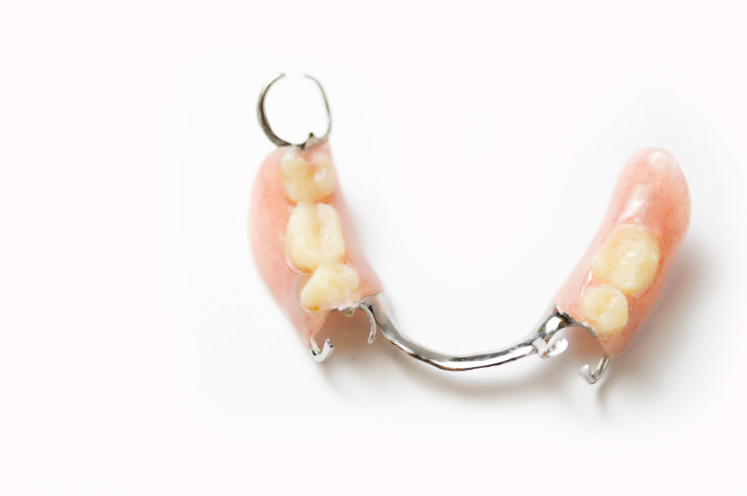
Acrylic partial dentures are formed with rigid acrylic plastic. The metal components in these dentures are strategically placed clasps, which anchor the dentures securely to your existing teeth. While the base is not metal, the strategically positioned clasps offer the stability required for comfortable and effective wear.
This combination of acrylic and metal creates dentures that provide a balance between durability and practicality, addressing both aesthetic and functional considerations. The acrylic material used for the teeth and gum-colored bases is easily customizable, ensuring a seamless integration with your natural gums and teeth. Additionally, these dentures offer simplified repair options, as the acrylic components can be reattached or adjusted if needed.
Pros and Cons of Metal Dentures
Metal dentures can be an excellent option for those seeking affordability or sturdiness. Here are the pros and cons of these dentures:
Pros
- Durability – Metal partial dentures are designed for longevity. The metal base ensures robustness over time, making them a reliable long-term solution for missing teeth
- Cost – Acrylic partial dentures with metal clasps are generally more budget-friendly, making them a cost-effective choice
- Customization and Repair – The acrylic material used for the teeth and gum-colored bases on metal dentures can be tailored to precisely match your natural gums and teeth. Repairing these dentures is also relatively straightforward due to the attachment of acrylic components to a metal base
Cons
- Comfort – Metal partial dentures can feel bulkier than flexible ones, potentially leading to discomfort. The rigid metal base might exert pressure on neighboring teeth and gums
- Breakability – Despite their durability, metal dentures can be brittle and susceptible to breakage if dropped
- Appearance – While most acrylic dentures don’t display visible metal components, some cases may result in the visibility of metal clasps while talking, eating, or smiling, which might be undesirable for those seeking a seamless blend with natural teeth
What are Metal-Free Partial Dentures?
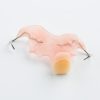
Metal-free partial dentures, often called flexible partial dentures, are crafted entirely from nylon thermoplastic, making them flexible and light. They are made by taking an impression of your existing teeth and molding the appliance to fit comfortably in your mouth. As the name suggests, metal-free partial dentures don’t include any metal components. Instead, they hook around teeth using gum-colored clasps.
Pros and Cons of Flexible Partial Dentures
Pros
- Comfort – Flexible partial dentures are designed for prolonged wear. The flexible thermoplastic is gentle on the gums and maintains flexibility during chewing and speaking.
- Appearance – Their gum-colored fasteners seamlessly blend with your smile, making them the most discreet choice in terms of outward appearance.
- Hypoallergenic Material – Made with 100% hypoallergenic material, nylon thermoplastic dentures provide a hypoallergenic solution for tooth replacement, ideal for individuals allergic to metals or acrylic plastics.
- Secure Fit – The gum-colored clasps are molded from an impression of your own teeth, so they hug your natural teeth and hold the partial firmly in place without any metal hardware.
Cons
- Reparability – With proper care, flexible partial dentures are durable. They can be difficult to repair if they get broken, stained or cracked. And replacement may be necessary.
- Cost – Due to their high-quality materials, flexible partial dentures are often slightly more expensive than acrylic dentures.
How to Take Care of Your Partial Dentures
Maintaining dentures for longevity involves consistent at-home care and maintenance. Regardless of whether you have flexible or metal partials, following these steps can ensure their longevity:
Daily Brushing – Just like regular teeth, dentures must be brushed to remove bacteria. Instead of using a regular toothbrush that can scratch dentures, use a denture-specific toothbrush for your daily cleaning. Additionally, we recommend opting for denture-specific toothpaste, which is less abrasive than regular toothpaste.
Soaking – Soaking dentures overnight in a special denture solution helps eliminate bacterial buildup and maintains their flexibility and comfort during wear. Remember to rinse dentures thoroughly in cool water before putting them back in your mouth.
Oral Care – It goes without saying that maintaining your regular oral care routine is just as important when you wear dentures. Flossing and brushing daily are essential since dentures can trap bacteria around natural teeth or at the gumline.
FAQ: Metal vs Metal-Free Partial Dentures
Do all partial dentures have metal in them?
No. Cast metal partials use a metal framework and acrylic partials use metal clasps, but metal-free flexible partials are made entirely from nylon thermoplastic, including the gum-colored clasps.
Are flexible partials better than metal?
It depends on what you value. Flexible partials win on comfort, discreet looks, and allergy safety. Metal partials win on durability, repairability, and chewing stability, and unlike a plastic partial vs metal partial decision made on price alone, your gap location and bite matter most.
Can you wear partial dentures in an MRI?
Removable partials should generally be taken out before an MRI, as imaging teams ask you to remove appliances. Metal-free nylon partials contain no metal at all, so there is nothing to interfere; cast metal frameworks and metal clasps are the reason to remove them. When in doubt, tell your MRI technician what you wear.
How long do cast metal partial dentures last?
Typically 7 to 10 years with good care, the longest of the removable partials [1]. Flexible nylon partials last several years and are replaced rather than relined when the fit changes.
How much do metal vs metal-free partials cost?
The cost of partial dentures depends on the type. At a dental office: acrylic partials with metal clasps run about $1,000 to $1,800, flexible partials $1,100 to $1,700, and cast metal partial dentures $2,000 to $2,500 [1]. Ordered direct from our lab, an acrylic partial is $449 and a metal-free flexible partial is $549; we do not make cast metal partials.
Find the Perfect Fit at Dental Lab Direct
Wondering where to get high-quality partial dentures? Dental Lab Direct offers customized dental appliances to fit your unique needs.
With prices up to 70% lower than traditional dental offices, Dental Lab Direct provides partial dentures, retainers, and nightguards. All products use FDA-approved materials, ensuring safety while wearing your appliance.
Ready to get started? Receiving your appliance starts with completing our simple, 3-step ordering process.
Step 1: Request a dental impression kit from their website
Step 2: When the kit arrives, create impressions of your teeth following the instructions.
Step 3: Mail the impressions back, and your customized dental appliance will be delivered within 2-3 weeks.
Unhappy with the fit? Dental Lab Direct offers a 60-day satisfaction guarantee, prioritizing your comfort and ensuring the right fit.
Sources
[1] Healthline, Partial Dentures: Cost, Types, and How to Choose (lifespan and office-cost ranges, consistent with the cluster's figures).