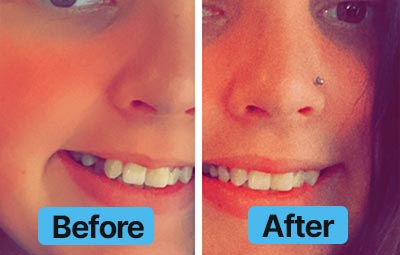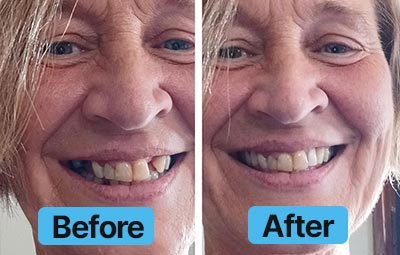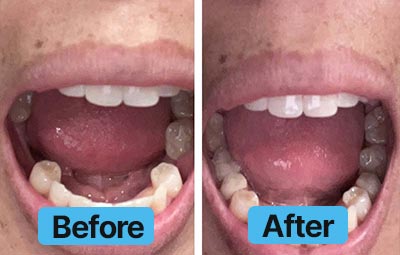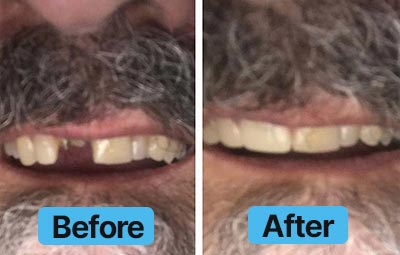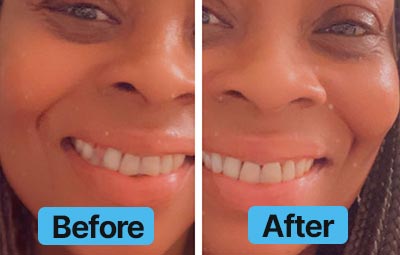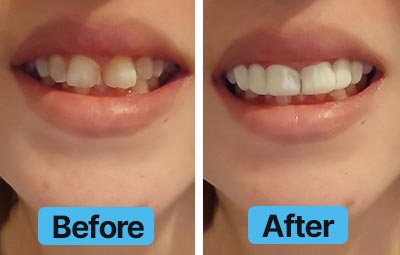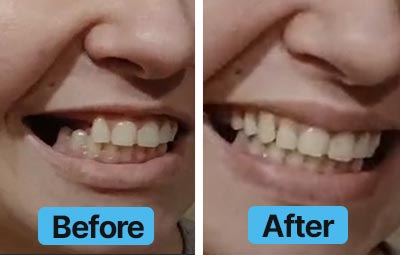
If you’re considering veneers, you need more than a basic pros-and-cons list. You need to understand what you’re actually signing up for: the enamel you’ll lose, the costs beyond the initial price tag, and what happens when these veneers wear out. This guide breaks down everything your dentist might not tell you upfront—because making the right choice starts with knowing exactly what “permanent” really means.
What Are Dental Veneers?
Dental veneers are thin, custom-made shells that cover the front surface of teeth. They fix discoloration, gaps, chips, or uneven teeth by creating a new surface over your existing tooth structure. The key word here is “over”—veneers don’t replace your teeth. They alter them.
Most veneers are made from either porcelain or composite resin, but there’s a critical decision you’ll need to make before choosing a material: Do you want traditional “prep” veneers, or minimally invasive “no-prep” veneers?
Porcelain vs. Composite: Which Fits Your Budget?
Here’s where the real cost differences emerge.
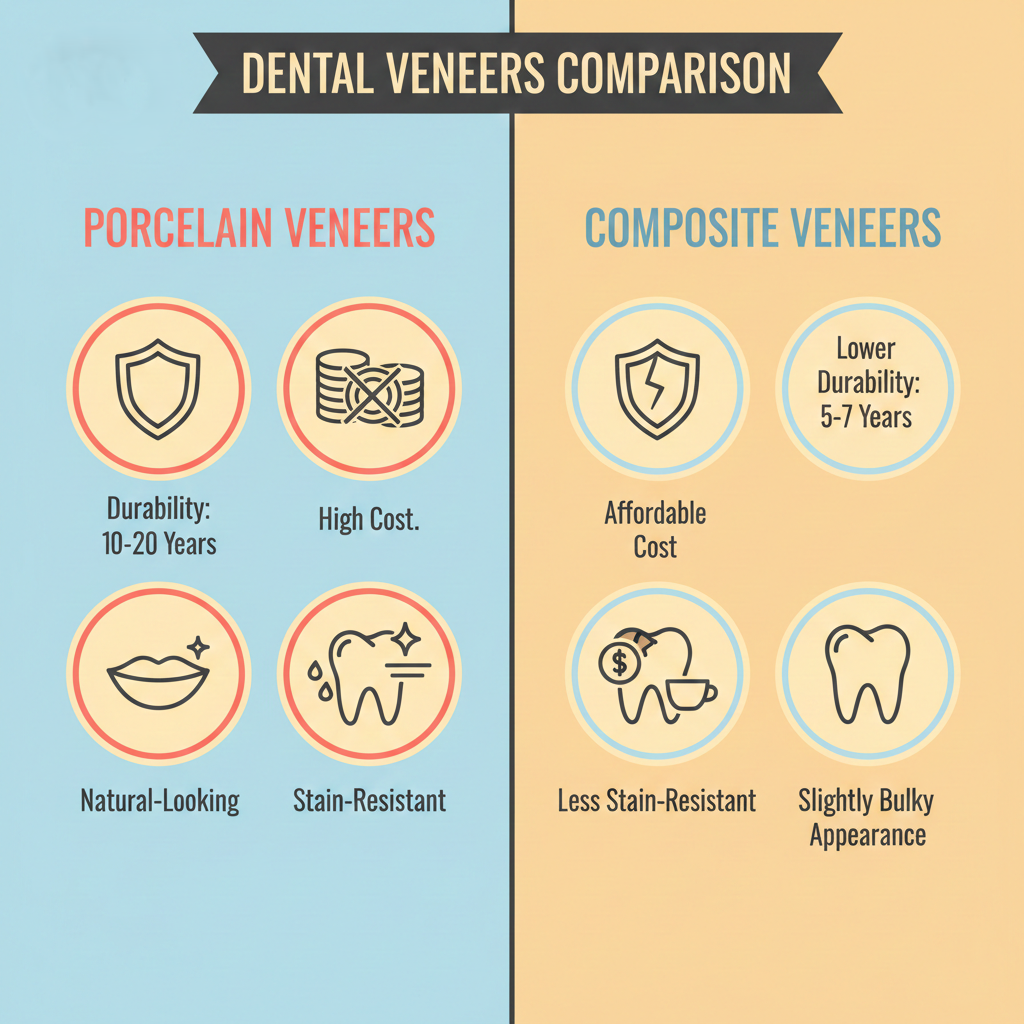
Porcelain Veneers are the gold standard. They resist staining, mimic the light-reflecting properties of natural enamel, and typically last 10–20 years. Clinical studies show porcelain veneers have a 91–94% survival rate over that timeframe (Journal of Oral Medicine & Dental Research, 2025). But they’re expensive—$900 to $2,500 per tooth in the U.S.—and they require enamel removal. Composite Veneers offer a budget-friendly alternative at roughly half the cost of porcelain. They’re applied in a single visit, involve less tooth prep, and can be repaired if chipped. The downside? They stain more easily and generally last just 5–7 years before needing replacement.
If you’re planning to keep your veneers for the long haul, porcelain makes financial sense despite the higher upfront cost. But if you want to test the waters without committing to permanent enamel removal, composite might be worth considering.
The Invisible Cost: What Happens to Your Natural Enamel?
This is the part most veneer marketing glosses over. To place traditional veneers, your dentist will remove approximately 0.3mm to 0.5mm of enamel from the front of your teeth. That’s permanent. Once enamel is gone, it’s gone.
You’re trading healthy tooth structure for aesthetic gain. For many people, that trade-off is worth it. But you need to go in with your eyes open: this procedure locks you into maintaining or replacing veneers for life. Your natural teeth underneath will always be altered.
“Prep” vs. “No-Prep” Veneers: The Permanence Question
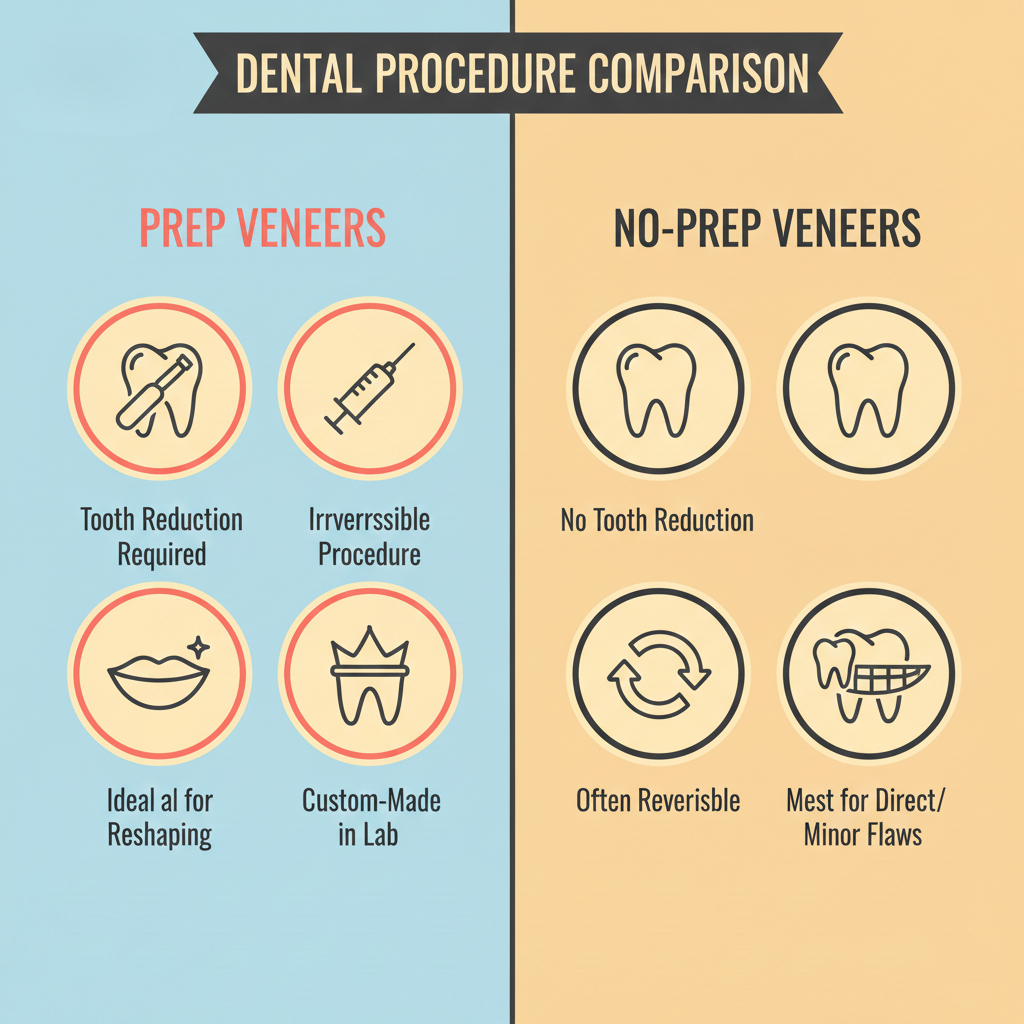
Traditional “Prep” Veneers require enamel removal to create space for the veneer without making your teeth look bulky. This process is irreversible. You’ll always need some kind of restoration on those teeth moving forward. “No-Prep” Veneers (like Lumineers) are designed to bond directly to your enamel with minimal to no removal. They’re thinner—sometimes as thin as a contact lens—and can be a viable option if you have specific concerns about altering your natural teeth. The catch? They can look bulky on some patients, and they’re not suitable for everyone. If your teeth are already prominent or if you have significant misalignment, no-prep veneers may create an unnatural appearance.
If you’re nervous about enamel removal, ask your dentist specifically about no-prep options. Not every case qualifies, but it’s worth exploring if reversibility matters to you.
Are You Even a Candidate? (The Bruxism & Enamel Check)
Veneers aren’t for everyone. You shouldn’t get veneers if you have:
Bruxism (Teeth Grinding): If you grind or clench your teeth—especially at night—veneers are a risky investment. Porcelain can chip under the pressure of repeated grinding, and composite wears down even faster. Your dentist should evaluate your bite pattern and discuss whether a nightguard is mandatory before placing veneers. Even with a guard, grinding increases your risk of veneer failure. Active Gum Disease: Veneers bond to tooth structure, not gum tissue. If your gums are inflamed or receding due to periodontal disease, veneers won’t adhere properly and could fail prematurely. Treat the gum disease first. Insufficient Enamel: Some people have naturally thin enamel or have already lost enamel due to erosion or previous dental work. If there isn’t enough healthy enamel left to support a veneer, the bond won’t hold. Your dentist can assess this during your consultation. Severe Malocclusion (Bite Problems): Veneers are cosmetic. They can’t fix major bite alignment issues. If your teeth don’t come together properly when you close your mouth, orthodontics or other restorative work may be necessary before veneers can be placed.
Approximately 7.2% of veneers experience some form of failure—chipping, debonding, or fracture (Impressions Dental, 2024). Many of these failures occur in patients who weren’t ideal candidates to begin with.
The 15-Year Rule: Planning for Your Next Set of Veneers
Veneers are permanent in the sense that your teeth are permanently altered. But the veneers themselves are not forever.
Porcelain veneers last 10–20 years on average. Composite lasts 5–7 years. When they fail—and they will eventually—you’ll need to replace them. That means another round of costs, another dental appointment, and potentially more enamel removal if your tooth structure has changed.
Think of veneers as a lifecycle investment, not a one-time purchase. If you get veneers at 30, you might be replacing them two or three times before you’re 60. Budget accordingly.
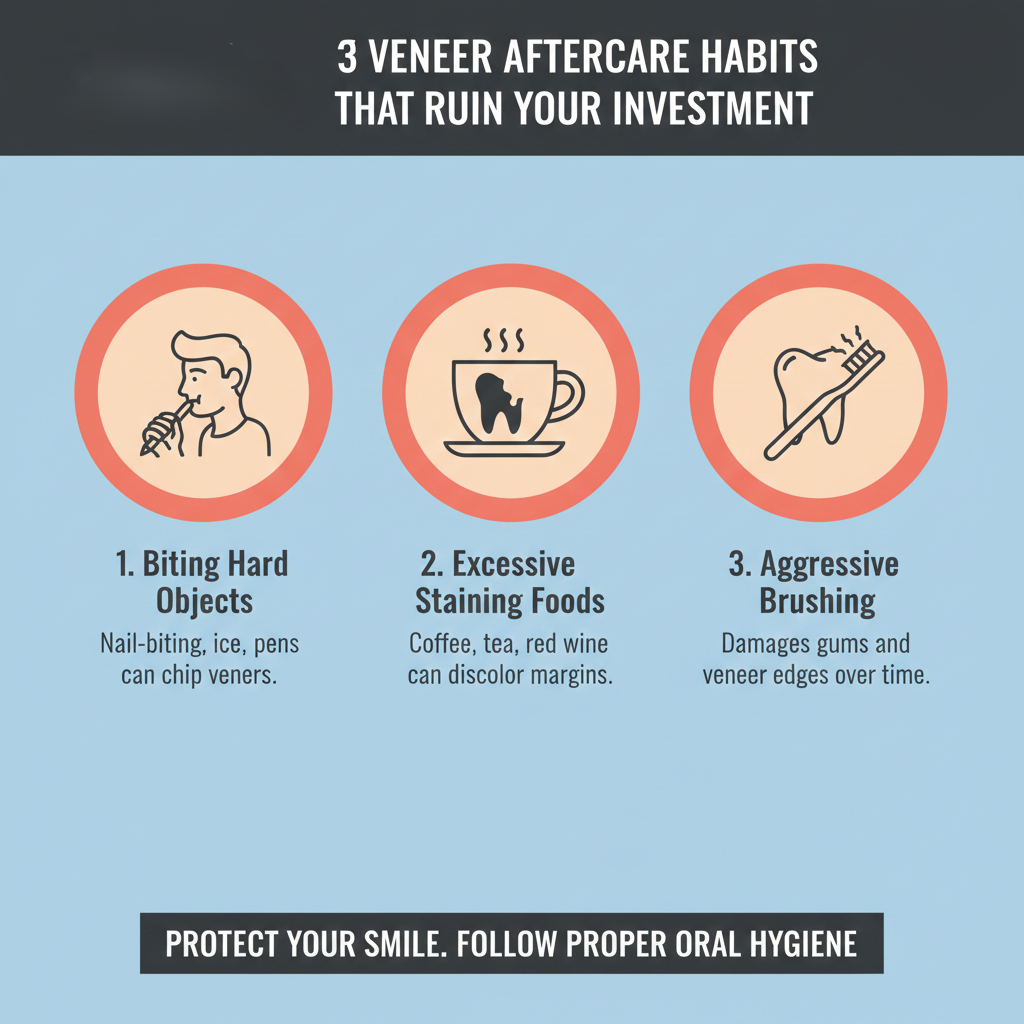
Veneer Aftercare: 3 Habits That Ruin Your Investment
You’ve spent thousands on veneers. Now you need to protect them.
- Wear a Nightguard if You Grind
This is non-negotiable for grinders. Even occasional clenching can crack porcelain over time. A custom nightguard distributes pressure away from your veneers and can double their lifespan.
- Avoid Abrasive Toothpastes
Whitening toothpastes and those marketed as “extra strength” often contain abrasive particles that scratch the glaze on porcelain veneers. Once that glaze is compromised, staining accelerates. Use a non-abrasive toothpaste recommended by your dentist.
- Don’t Use Your Teeth as Tools
Biting into hard objects—ice, pens, fingernails—can chip veneers just like natural teeth. The difference is, a chipped veneer often requires full replacement, not just a minor repair.
Patient satisfaction rates for veneers are high—80% to 100% of recipients report being “highly satisfied” with the aesthetic outcome (Veenstra Dental Research, 2025). But that satisfaction depends on realistic expectations and proper maintenance.
Types of Veneers
Porcelain Veneers
Highly durable and stain-resistant, porcelain veneers offer a natural, lifelike appearance. They require more preparation and are often more expensive, but deliver long-lasting results. If you want the best aesthetic outcome and don’t mind the upfront cost, porcelain is your best bet.
Composite Veneers
Composite veneers, made from tooth-colored resin, are more affordable. They’re quicker to apply but less durable and less stain-resistant than porcelain. Think of them as a shorter-term solution or a testing ground before committing to porcelain.
Clip-On Veneers: A Non-Permanent Alternative
If you’re curious about veneers but not ready for a permanent commitment, clip-on veneers—also called snap-on veneers—could be worth exploring. These removable covers fit over your existing teeth, instantly improving your smile without any drilling or enamel removal.
Pros of Clip-On Veneers:
- Non-invasive and painless
- More affordable than traditional veneers
- Reversible and easy to use for special occasions
Cons of Clip-On Veneers:
- Primarily cosmetic, not a long-term solution
- May feel bulky or unnatural at first
The Application Process
Getting veneers involves multiple steps. You’ll start with an initial consultation, preparation of your natural teeth (which may involve removing a thin layer of enamel), creation of the custom veneers, and their application using a specialized bonding agent. The entire process typically takes 2–3 appointments over a few weeks.
Pros of Dental Veneers
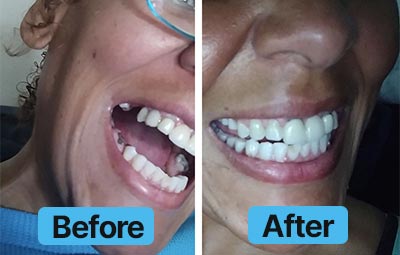
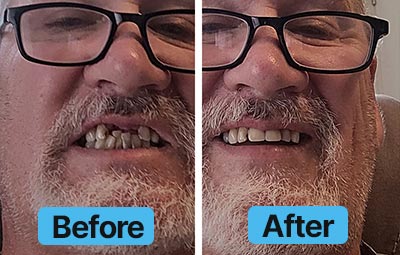
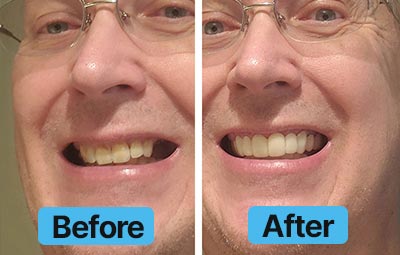
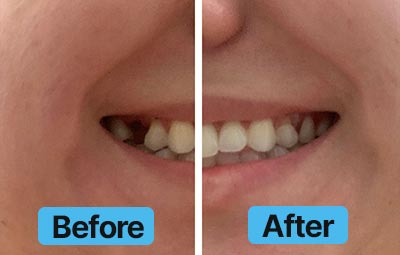
Dental veneers can transform discolored, chipped, or misshapen teeth into a uniform, radiant smile. But let’s be clear about what they actually deliver.
1. Aesthetic Improvement
Veneers offer a drastic improvement in your smile’s appearance. They whiten discolored teeth, fill gaps, and create uniform alignment. Beyond cosmetics, many patients report a boost in confidence. Social anxiety around smiling decreases. Professional opportunities can even improve when you’re no longer self-conscious about your teeth.
2. Durability
Porcelain veneers can last up to 10–15 years with proper care, and clinical data shows survival rates as high as 94% over two decades. Composite veneers offer several years of improved appearance but require more frequent replacement. With regular dental checkups and good oral hygiene, veneers are a long-term investment.
3. Stain Resistance
Porcelain veneers resist staining far better than natural enamel. Coffee, tea, red wine—none of them will discolor your veneers the way they would your natural teeth. This resistance means less time worrying about what you eat and drink.
4. Minimal Procedure (Compared to Crowns)
Compared to alternatives like crowns, veneers are less invasive. The preparation process typically requires the removal of minimal enamel, preserving more of your natural tooth structure. This makes veneers a healthier option for achieving dramatic cosmetic results.
Cons of Dental Veneers
Veneers aren’t without drawbacks. Some of these you can work around. Others are deal-breakers.
1. Cost
Veneers are expensive. Porcelain options cost anywhere from $900 to $2,500 per tooth in the U.S. If you need 6–8 veneers for a full smile makeover, you’re looking at $10,000 to $20,000 or more—often not covered by insurance since veneers are considered cosmetic.
Global Cost Comparison: The Dental Tourism Factor
If cost is your biggest concern, dental tourism is worth researching. Here’s what veneers cost in other countries:
- USA: $900 – $2,500 per tooth
- UK: $750 – $1,700 per tooth
- Turkey / Mexico / Thailand: $150 – $450 per tooth
Source: Bookimed Global Price Guide (2025)
The savings are real, but so are the risks. Quality control varies widely. Follow-up care becomes complicated if something goes wrong after you return home. If you’re considering this route, vet the clinic thoroughly and budget for potential revision work.
2. Irreversible Process
Since enamel is removed before placing veneers, the procedure is irreversible. Once you opt for veneers, you must maintain or replace them over time. This makes choosing a qualified dentist critical—and it means you’re committing to a lifetime of veneer maintenance.
3. Sensitivity
The procedure may leave your teeth more sensitive to hot and cold foods or drinks due to the removal of enamel. Using toothpaste designed for sensitive teeth can help minimize discomfort after the procedure, but some patients experience lingering sensitivity for months.
4. Risk of Damage
Although durable, veneers can chip or crack if not properly cared for. Nighttime teeth grinding or biting hard objects can pose risks. Wearing a nightguard and avoiding habits like nail-biting can help protect your veneers and extend their lifespan. But even with perfect care, veneers aren’t indestructible.
5. Not Suitable for Everyone
Veneers are not recommended for individuals with severe tooth decay, gum disease, or weak enamel. These underlying issues must be addressed before pursuing cosmetic solutions. Consulting with a dentist for a complete oral health evaluation is crucial before considering veneers.
6. Functional Limits
Veneers are cosmetic. They can’t bridge gaps from missing teeth or fix major structural bite issues (malocclusions). If you need orthodontic work or restorative dentistry, those treatments come first. Veneers are the finishing touch, not the foundation.
The Numbers You Need to Know
Here’s the data that helps you set realistic expectations:
- Longevity (Porcelain): 91–94% survival rate over 10–20 years (Journal of Oral Medicine & Dental Research, 2025)
- Longevity (Composite): Typically 5–7 years (Healthline / Clinical Studies)
- Patient Satisfaction: 80–100% report being “highly satisfied” with aesthetic outcomes (Veenstra Dental Research, 2025)
- Failure Rate: Approximately 7.2% experience chipping, debonding, or fracture (Impressions Dental, 2024)
- Market Growth: The global dental veneer market is growing at a CAGR of 8.1%, expected to reach $2.67 billion by 2025 (Research and Markets, 2025)
Is a New Smile Worth It?
Choosing to enhance your smile is a deeply personal decision. Understanding the pros and cons of dental veneers—and the hidden costs, lifecycle expectations, and maintenance requirements—is essential.
Traditional veneers offer lasting beauty, durability, and confidence, but they also come with financial, procedural, and long-term care considerations. They’re not reversible. They’re not forever. And they’re not for everyone.
If you’re looking for a non-invasive, budget-friendly way to improve your smile without the permanence, pop in veneers might be the perfect place to start. These custom-made, removable veneers let you explore a new look without altering your natural teeth or spending thousands at the dentist.
The right choice depends on your goals, your budget, and how much you’re willing to commit to long-term maintenance. Make the decision that’s right for you—not the one your dentist assumes you want.