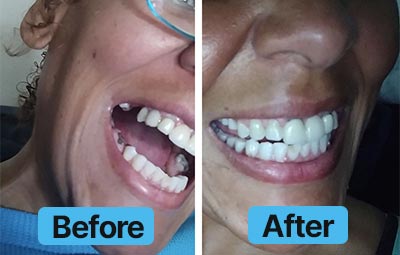
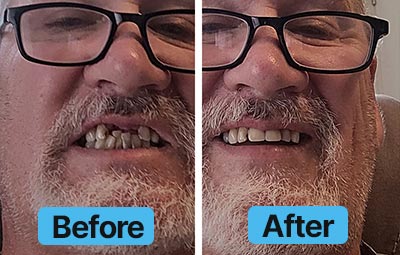
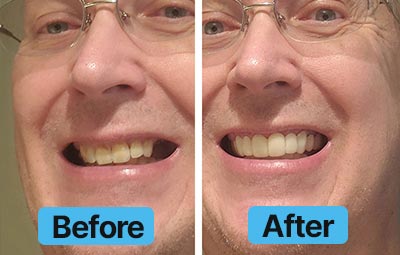
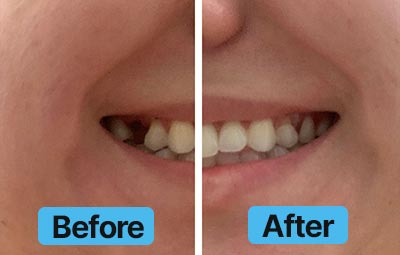
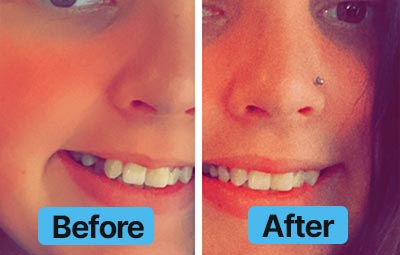
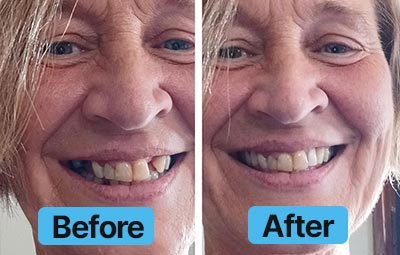
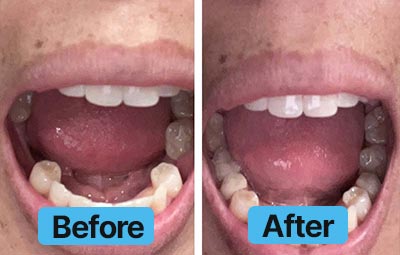
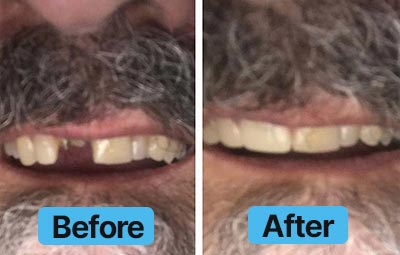
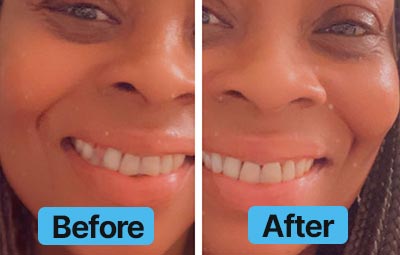
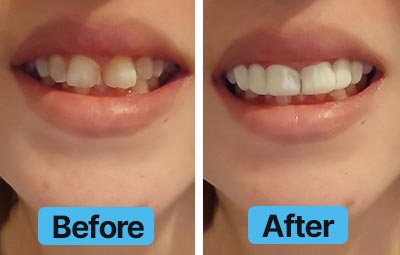
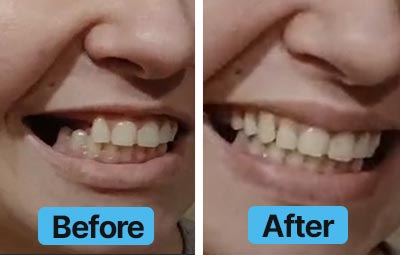
Do your dentures feel loose or even painful? For the 43 million Americans who wear them, many have had this same experience. Poor-fitting dentures can make eating a chore and smiling an embarrassment. But you don’t have to live that way forever. Ill-fitting dentures can be fixed!
Why Dentures Become a Bad Fit
Dentures might start out fitting well, but our mouths change with time. There are a few reasons a denture that once fit like a glove might get loose or uncomfortable over time.
Bone and Gum Changes
After tooth loss, the jawbone gradually shrinks in a process called resorption; the ridge that your denture once sat on will become lower and smaller. Gums can also recede or change shape; these natural changes create gaps between your denture and the tissue, leading to looseness.
Wear and Tear on the Denture
As much as we’d like dentures to be indestructible for the price we have to pay, they’re not. Over years of use, the acrylic base can develop tiny cracks or warp slightly at no fault of your own. The teeth on the denture can also wear down from chewing. Something as simple as accidentally soaking your dentures in very hot water could warp the plastic and ruin them. Same with dropping them. All this damage can alter how they fit in your mouth.
Health Changes
Another factor that can affect how your dentures fit is weight loss, which can lead to fat and tissue loss in the face and gums. Certain health conditions or medications might cause gum swelling or dry mouth. Even lifestyle habits like smoking can irritate gums and change their shape over time, causing poorly-fitting dentures.
Poor Fitting Dentures from the Get-Go
Sometimes, dentures were never optimal to begin with. Maybe the impressions weren’t perfect, or you got an economy set of dentures that weren’t custom enough. If you’ve “made do” with semi-comfortable dentures from the start, you definitely don’t have to settle for that. Improvements can be made to achieve a truly snug, pain-free fit.
Signs Your Poor-Fitting Dentures Need to Be Fixed
How do you know for sure your poorly-fitting dentures need intervention?
- When your dentures slip or fall out unexpectedly.
- You avoid certain foods.
- You suddenly can’t chew as well as before.
- If you’re trying to speak carefully to keep them in place.
- You develop a lisp or have trouble saying certain words
- Areas of your gums are consistently rubbed raw, or you get ulcers where the denture presses.
- Using lots of denture adhesive. Adhesives are meant as a temporary helper, not a permanent solution for loose dentures.
- Changes in facial appearance (dentures that have sunk in or don’t support your lips/cheeks properly can make your face look “collapsed” or older).
If you’re experiencing one or more of these things, you don’t need to tough it out. Your comfort and health are at stake. Fortunately, there are simple at-home solutions that exist.
How to Fix Poor-Fitting Dentures
1. Reline Your Dentures
The most common fix for loose, poor-fitting dentures is a reline. Denture relining means adding new material to the inner surface of the denture, so that it conforms to your current gum shape and fills the gaps created by bone shrinkage.
Relining is usually the first step to try because it’s less expensive than getting new dentures and can dramatically improve your comfort.
2. Adjust Problem Areas
Sometimes, only small tweaks are needed. A dentist can pinpoint where the denture is high or rubbing and trim or adjust the acrylic.
3. Use Denture Adhesive (Temporarily)
While we cautioned against relying on glue long-term, a thin layer of denture adhesive is a valid short-term fix for minor looseness or while you wait for a reline, new set, or dental appointment.
4. Get a New Dentures
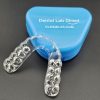
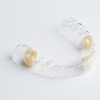
There are newer products like Dental Lab Direct’s Easy Denture that allow you to essentially make a denture in situ for a custom fit. This is a do-it-yourself denture kit using a moldable acrylic. You heat the denture base, bite into it, and it forms to your gums on the spot. It can even be refitted up to 20 times!
When to Replace Poor-Fitting Dentures
Even with all fixes, dentures don’t last forever; most will need to be replaced every 5 to 10 years.
If you’ve relined a few times and the denture is now patched up or the teeth are worn, a brand-new full denture or partial denture may be necessary, even welcomed!
Don’t view replacing dentures as a failure; think of it as renewing an appliance that has served you well. Your mouth will continue to change, and a fresh set can incorporate those changes. You’ll be amazed at the difference a new, well-crafted denture makes compared to your old, loose one.
So don’t settle for poorly fitting dentures. Fix the problem today with Dental Lab Direct.