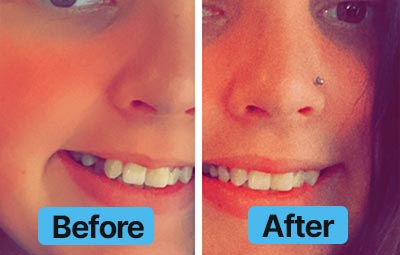
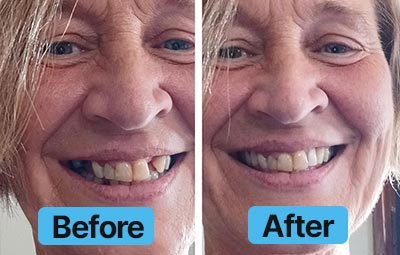
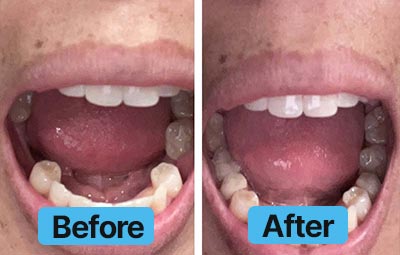
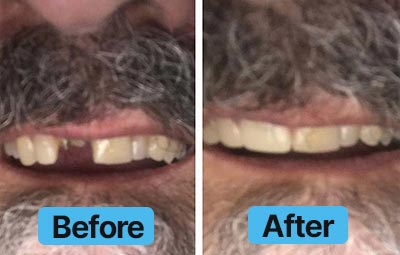
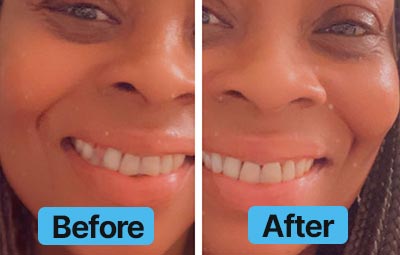
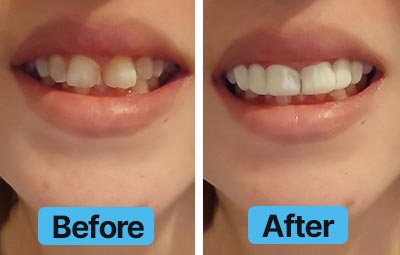
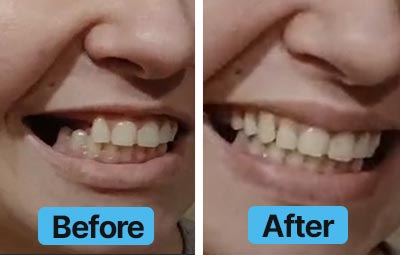
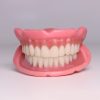
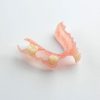
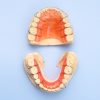
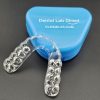
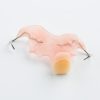
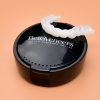
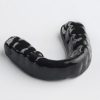
There are 3 paths to fake teeth.
- Cheap painful costume plastic
- Clip on Veneers
- Permanent Veneers
We’ve all heard this story before. Your dentist quoted you $15,000 for veneers. You nodded politely, scheduled a follow-up, and left feeling deflated.
Here’s what didn’t come up in that consultation: removable veneers. The kind that cost a few hundred dollars, not thousands. The kind you can take out at night. Why the silence?
It’s not a conspiracy. But it’s not an accident either.
Most dentists genuinely believe permanent veneers are superior. They’re right about that—for certain situations. What they won’t tell you is that “superior” doesn’t always mean “necessary.” Sometimes the $300 solution does exactly what you need, especially if you’re not ready to commit to grinding down your natural teeth or draining your savings account.
The removable veneer industry has exploded in the past five years. Materials have improved. Fitting processes have gotten more sophisticated. Yet many dental professionals still lump all removable options together with cheap Halloween costume fake teeth from the drugstore. Let’s clear up what your dentist might not say.
The Truth About Why Dentists Don’t Promote Removable Veneers
Walk into any dental office and ask about smile makeovers. You’ll hear about porcelain veneers, bonding, and maybe crowns. Removable veneers? Crickets.
The economics are straightforward. A full set of permanent veneers runs $10,000 to $30,000. That’s serious revenue for a practice. Removable veneers can cost patients less than $400, and dentists don’t typically sell them.
Training creates blind spots. Dental school focuses on permanent solutions and restorative procedures. Removable cosmetic options barely register in the curriculum. Dentists learn to diagnose problems and fix them definitively. They’re trained to think in terms of longevity, structural integrity, and medical-grade solutions. Temporary cosmetics don’t fit that framework. You can’t recommend what you’ve never studied.
Some skepticism is earned. The removable veneer market is flooded with garbage fake teeth. Poorly made products from unregulated overseas manufacturers have caused real problems. Gum irritation, tooth damage, ill-fitting nightmares that look worse than the original smile. We have a solution to this; more on that below.
Professional identity matters too. Dentists see themselves as healthcare providers, not cosmetic retailers. Suggesting a temporary snap-on solution can feel like admitting defeat. It’s the difference between a cardiologist recommending surgery versus telling you to take aspirin and hope for the best.
What’s Changed: The Removable Veneer Revolution
The fake teeth your grandfather bought from a mail-order catalog in 1987? Those were terrible. Rigid plastic that didn’t fit. Colors that screamed “artificial.” A thickness that made talking feel like you had marbles in your mouth.
Modern removable veneers bear almost no resemblance to those relics.
Material science has transformed the industry. Today’s quality products use dental-grade resins and acrylics that mimic the translucency of real enamel. They catch light the way natural teeth do. The texture feels smooth, not chalky. Thickness has dropped from bulky costume-store levels to millimeters thin. Some products now incorporate flexibility that allows the veneer to conform slightly to your mouth’s unique contours.
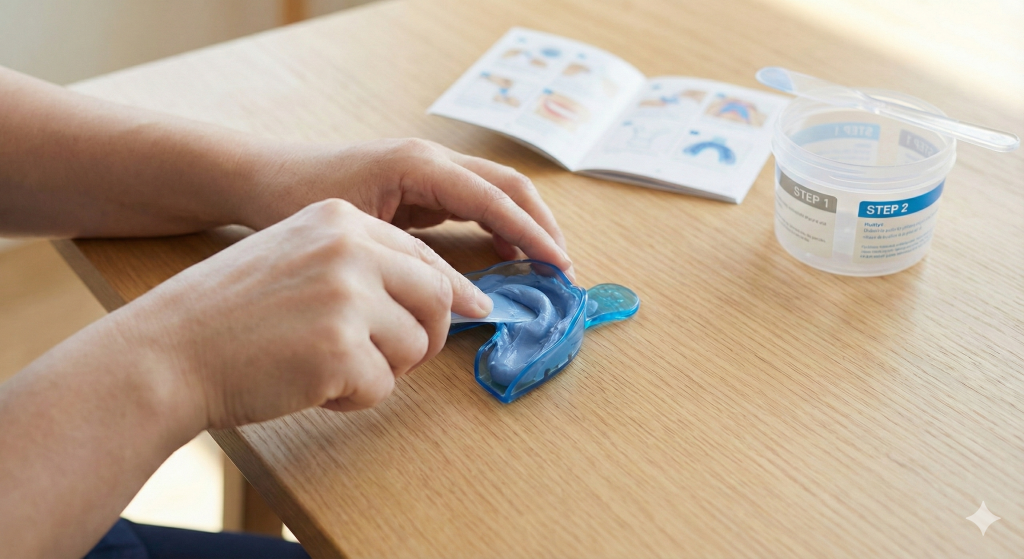
Custom fitting has become legitimate. The old model sold universal sizes that fit nobody well. Current systems use impression kits you complete at home. You bite into dental putty, mail it back, and receive veneers molded specifically to your teeth. The technology mirrors what dentists use for night guards and retainers. When done correctly, the fit is snug enough to stay secure during conversation and subtle enough that most people won’t notice you’re wearing anything at all.
Regulation has entered the picture. Not all products operate in the wild west anymore. Reputable manufacturers now produce their veneers in FDA-registered facilities using approved materials. This doesn’t mean FDA-approved (that’s a different designation), but it does mean basic safety standards and manufacturing oversight. The difference between regulated and unregulated fake teeth is the difference between a supplement from a verified facility and mystery powder from an unmarked warehouse.
Price points reflect quality tiers. You can still find $30 disasters online. But a legitimate mid-range snap-on veneer option has emerged with products that actually work. These aren’t dentist-quality permanent veneers. They’re something else entirely: a functional temporary solution that looks convincing under normal circumstances.
The technology gap between “cheap novelty” and “credible cosmetic option” has closed dramatically. What hasn’t caught up is the awareness among dental professionals.
Red Flags (Fake Teeth) vs. Green Flags (Removable Veneers) – How to filter out the garbage
Here’s how to separate legitimate products from fake teeth that belong in the garbage.
Red flags to avoid:
- One-size-fits-all claims. Your mouth is unique. Any product promising a universal fit is lying or selling you something that won’t work properly.
- No impression kit or custom fitting process. If they’re not taking molds of your actual teeth, you’re buying a generic shell that will feel terrible and look obvious.
- Suspiciously cheap pricing. Anything under $50 is almost certainly low-quality material manufactured without proper standards. You get what you pay for.
- Vague or missing material information. “Premium materials” means nothing. You should see specific details about what the veneers are made from and where they’re manufactured.
Green flags to look for:
- Custom impression process clearly explained. Detailed instructions, quality impression materials, and a straightforward molding system indicate they’re serious about fit.
- Transparent material composition. Specific mentions of dental-grade resin or acrylic, plus information about where and how the product is manufactured.
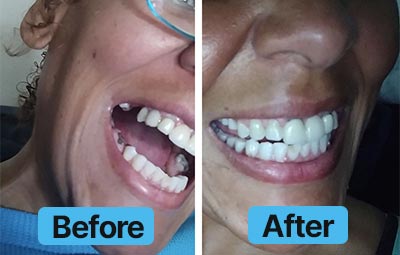
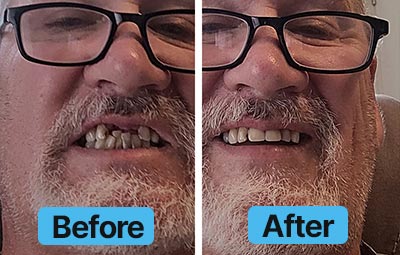
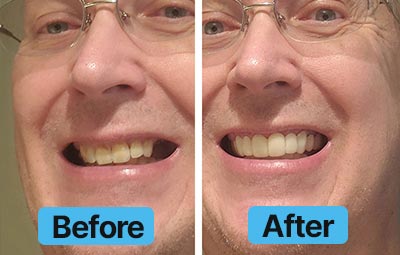
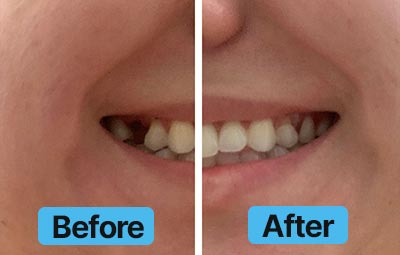
- Real customer photos. Actual people with varying teeth conditions and lighting situations. Bonus points if the photos look amateur because that means they’re probably genuine.
- Responsive customer service. A real phone number, live chat, or email system where humans actually respond to questions. Test this before buying.
- FDA-registered facility claims you can verify. They should provide facility information, not just slap an FDA logo on the website.
- Clear care instructions and lifespan estimates. Honest companies tell you these veneers last 1-5 years, depending on use, not “forever.”

Now is your chance to experience high-quality removable Veneers
If you’re curious about trying a quality removable option, our Snap-on Veneers check every green flag we discussed. Custom impression kit. Dental-grade materials from an FDA-registered facility. Real customer photos from real people. A fit guarantee that actually means something.
You’re not committing to permanent changes. You’re not spending your emergency fund. You’re testing what’s possible before deciding if something more permanent makes sense later.
Click over to learn more about our BellaVeneers Custom-made Snap-On Veneers.
Your smile. Your timeline. Your decision.